So you’ve made the decision. It’s clear your business can’t go any further without a website.
Now you’re thinking: “How do we make that happen?”
When you’re right at the beginning of the process, with good intentions and not a lot else, creating a website can feel like a daunting or overwhelming task. If you don’t know where to begin, then chances are you’ve been letting it slip to the bottom of your to-do list.
The fact is, there isn’t just one way to build a website. Countless different processes and methods can get you to your end goal of having a website out in the world.
Don’t let that thought scare you, though. It’s simpler than it sounds, because all these methods fall under one of two main categories: taking a DIY approach (using sites like Squarespace and Wix) or working with an agency.
Whatever you decide is right for you, this guide will help set you up for success from the word go.
We’ll look at how to lay the groundwork and kick off a project, how to work with an agency (if you choose that path), and what you can do on your side of things to make sure the finished product is on point.
Starting a new website project
As with most things in life, the key to nailing your website is making sure you’ve got strong foundations in place before you lay a single brick.
Here are the things you should be getting clear on before you can start work on your site.
understand your audience
Your website is about your company, products or services, sure, but it’s really about your audience. Its focus needs to be the value you offer your clients or customers, and you have to know exactly what makes them tick to deliver that.
This is easier said than done, but putting the effort into identifying your audience and getting to know them inside out will make a huge difference to the success of your site, and the way you run your business in general.
pin down your goals
Websites can do so many different things, so you need to decide what you want yours to do for you.
Not sure? No problem.
Here are some of the most common website goals to get you started:
- Improving visibility/awareness
- Building brand credibility
- Education
- Generating leads
- E-commerce/product sales
Of course, you might have secondary goals too, but think carefully about what your priority is so your site can be tailored accordingly.
decide on a rough budget
Every website comes with costs, some one-off, some ongoing.
How much a website costs is like asking, “How long is a piece of string?” It’s ultimately decided by how much you’re willing or able to spend on the project along with what you want your website to do for you.
If you work with an agency, developer or designer, there are so many different directions they could take your site, but knowing your budget will help narrow down the possibilities.
One thing to bear in mind here is that you’ll need to invest time in your shiny new website, as well as money.
If you’ve got a lower budget, you’ll need to be willing to spend time on things like writing copy, gathering and organizing content and providing quality visual assets for your site. If you don’t have the time available, that might be a sign that it’d make sense to up your budget.
Don’t forget to consider additional hidden costs when you’re thinking all this through, that might include:
- photography
- videography
- copywriting
- legal review
pick a lane: DIY & AI or agency?
This decision will largely be determined by the budget you’ve set, but it’s now time to decide whether you’re going for the DIY approach or you want an agency on board.
Both options have their pluses and minuses.
DIY & AI:
- There are lots of good site builders available, like WIX and Squarespace, with easy to use drag and drop editors and multiple templates.
- Most of these platforms are now heavily AI-powered, which can save more time.
- These platforms offer limited flexibility, and results can feel very cookie-cutter.
- It can be tricky to nail the prompts to get AI features to do what you want them to, and AI-created imagery can feel inauthentic to visitors.
- Website maintenance and support can be a hassle.
agency:
- Will help walk you through the process and guide you, so you can get outstanding results.
- Results in a more personalized website, tailored to your audience.
- Most agencies offer ongoing support packages.
- More costly than DIY.
For a more in-depth look at the pros and cons of both DIY and agency logo design, have a read of our blog, which gets down to the nitty gritty.
How to work with a web design agency
So let’s imagine you’ve decided to work with an agency. It goes without saying that if you’re making that investment, then you want to be totally sure you’re getting the very most out of the experience.
open communication
The first thing you should prioritize is open communication with the agency you’ve chosen.
A website project inevitably involves lots of back and forth as it progresses. Be ready to field plenty of questions, go into detail about your needs, and provide them with all the information you can.
If you’re ever unsure about how something works, make sure you ask for clarification rather than just nodding along.
And this part’s really important.
Always provide honest feedback. Remember, it’s normal for the first draft not to totally hit the nail on the head. Please don’t try to protect anyone’s feelings. Your agency wants to know what you really think, as soon as possible.
trust
Next up is trust. Don’t work with anyone who doesn’t inspire total trust in you, and once you’ve picked your agency, put your full faith in them. They’re the experts, and this isn’t their first rodeo.
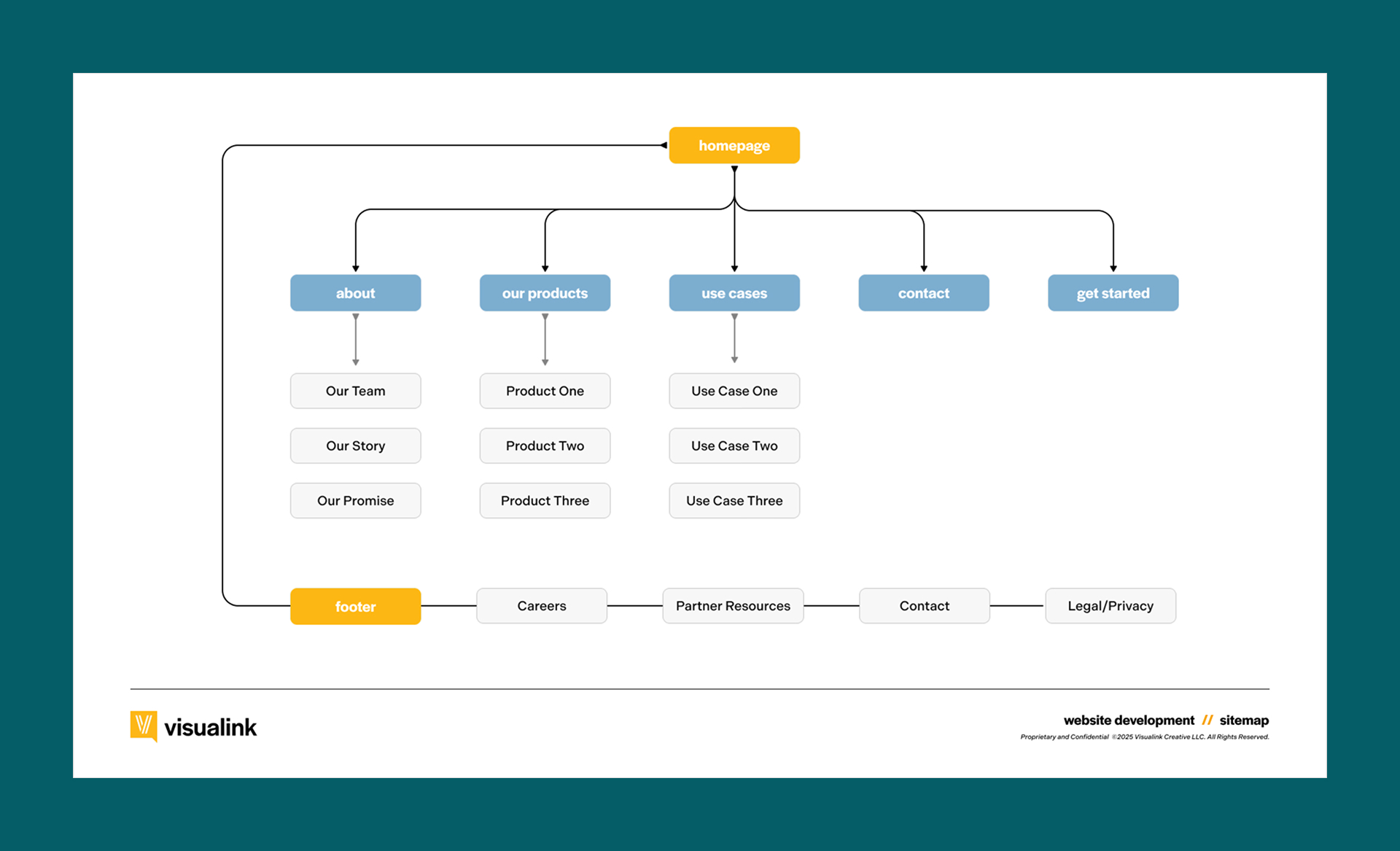
Most agencies will know all about industry trends and can take care of every aspect of the process, spanning research, sitemapping, wireframing, UI design, front-end development and back-end development.
processes & timelines
Last but not least, your third priority when working with a web design agency should be making sure you respect the processes and timelines they have in place.
Your website’s timeline could be pushed back if it takes a while for you to find time for a meeting, or provide them with the information or feedback they need to move forward.
The best way to keep things running to schedule is to have a dedicated primary point of contact, or a small group of stakeholders, who will prioritize dealing with the agency’s needs and requests.
What your web design agency will need from you
By now, you know that the best way to speed up the website creation process is to make sure your agency has all the information they need, ASAP.
But what does that involve?
This list will help make sure you’ve covered all the bases before the project kicks off, so all the cogs in your website design experience turn smoothly.
They might not need all of them, and you might not have answers to all of the questions at this stage, but forewarned is forearmed:
brand audit
- Logo files, ready to grace your new website.
- Brand guidelines, if you have them. If not, Visualink can help build your brand strategy.
- Recent marketing materials, so your agency can get a feel for how you’re interacting with your audience.
domain name
- Do you have an existing domain name you’d like to keep, or a new domain name in mind?
hosting
- Every website needs to be hosted on a server. Do you have a preference? Visualink can support your site with top-quality, dedicated hosting.
cta
- What do you want your audience to do when they visit your site? Email you? Call you? Fill in a contact form? Book a session? Buy your product? This will be the foundation that all content and website design is built on.
visual assets
- What photos and/or videos do you have for the website? Your agency might recommend that you get your hands on new assets to do justice to your shiny new site.
copywriting
- Copywriting might not be included in the scope of your project, or you might decide you want to handle it yourself. If that’s the case, it’ll need to be ready to go shortly after the sitemap is approved.
- If copywriting is included by your agency, they’ll ask for any existing content, and will need your help to build out the story that needs to be told on your site. After all, you’re the one who knows your business and your audience inside out.
reviewing
- Throughout the course of a website project, you will be asked to review at specified phases to ensure everyone is on the same page. This may be a meeting, call, or an email. Whatever the case, it’s important to set aside focused time to carefully review and provide feedback. Oversights in review during early phases such as wireframes can be costly later down the road.

The path to a website you’ll love
Whether or not you decide to work with an agency, your website will always demand an investment of your time and money.
But if you decide to let an agency take care of it for you, then actively participating in the process and working closely alongside the team designing your site will take the results to the next level.
As a business owner or manager, having a basic understanding of the process of web design can make things easier for everyone involved. But don’t worry, the right web design agency will be happy to explain anything you’re not sure about.
Here at Visualink, we offer comprehensive web services that start with the why.
To start a conversation about building your website with us, just fill out our interest form , and we’ll be in touch.